June 10, 2026: FDA added bemotrizinol to the US sunscreen monograph, the first new filter in 27 years. The order allowed it at up to 6% in creams and sticks but refused aerosol propellant sprays. Of three Korean 'sun sprays' we read in October 2026, two are pump mists and one is a true aerosol with filters not on the US list.
October 15, 2026. I open Olive Young US and type korean sunscreen spray into the search bar. The sun care tab returns zero results. On Amazon, 96% of the first 50 hits for the same query are mists, sticks, or fluids. Of the two that call themselves sprays, one is relabeled from a brand's European listing. That is the gap behind the 223 impressions this query collects every month in our Search Console: Americans are looking for a thing that barely exists on US retailer shelves.
Why it barely exists has two causes, and a June 2026 FDA order sharpened both.
What's inside the three Korean 'sun sprays' at US retailers?
We checked three products that market themselves as a Korean sunscreen spray and ship to US buyers. Only one is a true aerosol in the FDA sense, meaning a can where the propellant and the sunscreen are mixed in a single pressurized formula and the trigger releases a fine aerosolized plume. The other two are pump sprays or pump mists: a plastic pump moves a liquid formula through a nozzle, no propellant touches the sunscreen. The distinction matters because FDA treats the two as different drug products with different stability and inhalation evidence requirements. In the three we read, the format sorted the filter stack too. The pump mists carry filters the FDA has approved on the OTC monograph, like avobenzone and octocrylene. The one true aerosol, imported from the Korean market with its original filters, uses a stack US regulators have never cleared.
| Product | Format | Size | Listed SPF | UV filters on the US retail page | Legal to sell as US OTC SPF? |
|---|---|---|---|---|---|
| JM Solution Marine Luminous Pearl Sun Spray | Pump spray | 180ml | SPF 50+ PA++++ | Avobenzone, homosalate, octocrylene, octinoxate | Yes, filters are all on the US monograph |
| Mediheal Labocare Ceramatica Sun Spray | True aerosol | 100ml | SPF 50+ PA+++ | Not published on English retailer pages; Korean market filter stack | No. The filter stack is not on the US monograph, and the mixed propellant aerosol format is restricted |
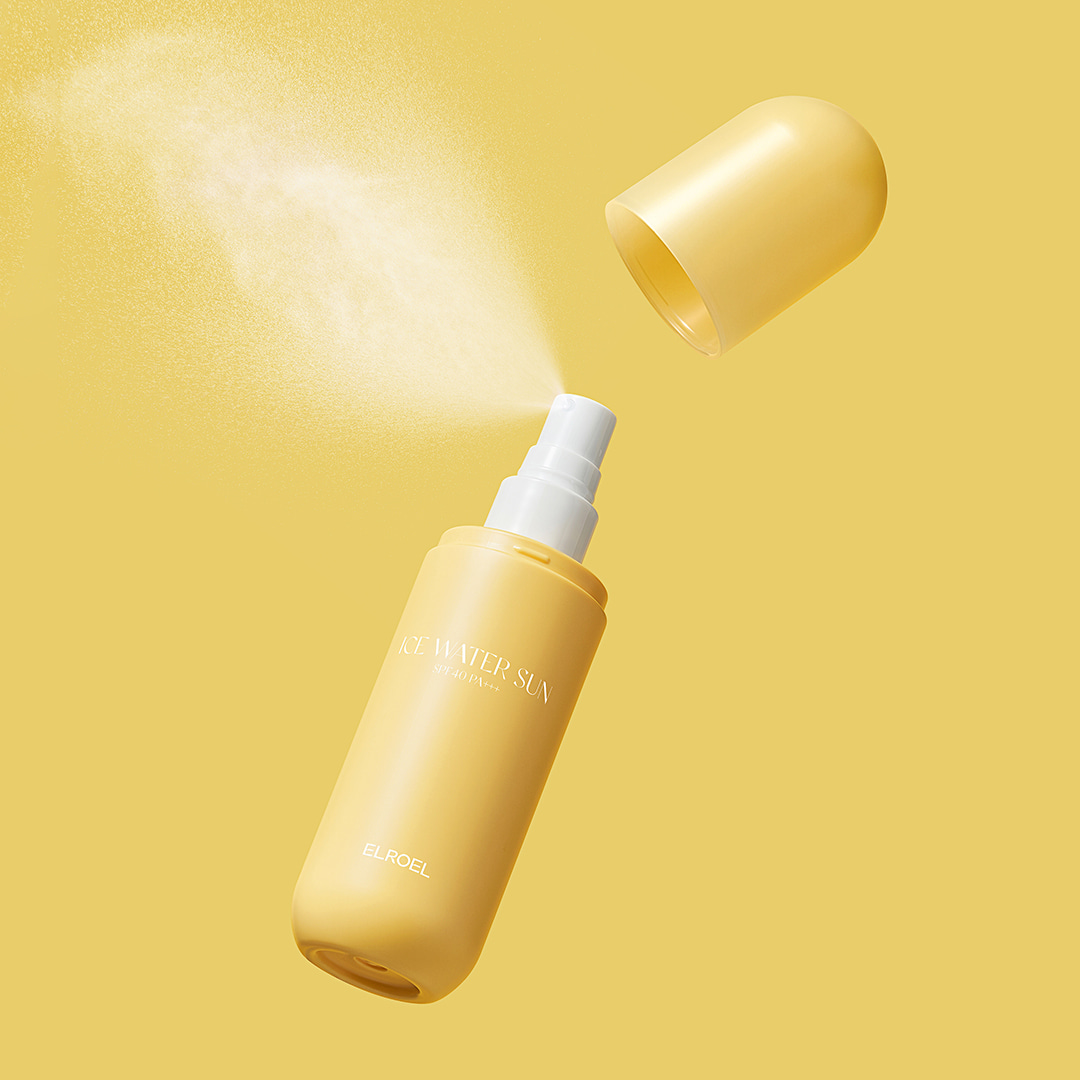
| ELROEL Ice Water Sun Mist | Pump mist | 100ml | SPF 50+ PA++++ | Filter stack not published on US retail listings; triple hyaluronic acid base | Sold through indirect US channels as a cosmetic; no US OTC sunscreen registration confirmed |
Why does no major Korean brand sell a true aerosol SPF spray in the US?
In the US, a sunscreen is a drug. To sit on a Target shelf with an SPF number on the label, the formula has to meet an FDA monograph: fixed filter list, fixed concentration ranges, fixed testing. The Korean market runs on a different list. The soft, invisible finish most Americans associate with K beauty sunscreens comes from newer generation UV filters like Tinosorb S, Uvinul A Plus, and ethylhexyl triazone, none of which are on the US monograph. That gap is why most Korean sunscreens either sell as grey market cosmetics with no US SPF claim, or get reformulated for the US with the same five chemical filters every CVS brand uses.
The spray format adds a second lock. FDA's final administrative order OTC000039, posted on June 10, 2026, added bemotrizinol to the sunscreen monograph (M020). It was the first new filter approved for US sunscreens since 1999. The agency allowed it at up to 6 percent, in oil, lotion, cream, gel, butter, paste, ointment, stick, and sprays that are propellant free or keep the propellant isolated from the sunscreen itself. Aerosols that mix propellant and formula directly, and powders, were not approved, with the FDA citing insufficient stability data for those forms.
Translated to the shelf: the one filter that could finally bring a Korean feeling finish to a US sunscreen cannot ride in a traditional aerosol can. And the filters that do produce that finish are blocked from US SPF labeling anyway.
What does that mean at the shelf?
Three patterns kept turning up as we read labels.
The pump mists are the honest format for a Korean 'spray' in the US today. They cost the formulator nothing extra, they dodge the aerosol stability question, and they can carry a filter stack that matches a Korean market base more closely than a US reformulated cream can. The ELROEL mist is the clearest example: the product is sold through Korean retail channels into the US as a cosmetic, and the label leans on moisture ingredients because the SPF claim is doing less work in US channels than it does in Korea.
The pump spray with a US monograph stack is the K beauty hybrid: Korean brand, US filters, Korean marketing. JM Solution's Marine Luminous Pearl Sun Spray sits here. The filters inside, avobenzone, octocrylene, homosalate, and octinoxate, are the same filters in a Banana Boat spray. The texture and skin finish will be noticeably different, because the vehicle, humectants, and emollient system are not. If you want a sunscreen that feels Korean and still carries a US SPF number, this is the compromise.
The true aerosol with Korean filters, the Mediheal, is the rarest and the most legally fragile. It is a Korean market product that happens to be imported for US customers, often through indirect sellers, without an FDA OTC drug registration under the sunscreen monograph. Buying one is not illegal for the shopper. It is simply a product that FDA does not consider a sunscreen under US rules, even though the bottle says SPF 50+.
If a Korean sunscreen spray is still what you want
Three honest options, each with a tradeoff.
Pick the pump spray with US filters if you need a sunscreen that is defensible on a Target or an Ulta pharmacy audit, if you reapply over makeup, or if you share the bottle with a child. The texture compromise is real, but the regulatory story is clean.
Pick the pump mist with the Korean filter base if the point of the purchase is the finish, not the SPF label. Treat it like a cosmetic that happens to have UV filters in it. Pair it with a true FDA registered sunscreen in the morning if sun exposure is more than incidental.
Pick the true aerosol only if you can read the full ingredient list on the Korean language label, know what you are inhaling, and accept that the product is unregistered under US sunscreen rules. The FDA's concerns on mixed propellant aerosols are about inhalation and lung deposition, not skin.
What a Korean sunscreen spray will not be in October 2026, no matter which of the three you pick, is a bemotrizinol aerosol. The one filter that could have made that promise real sits on the US monograph in a cream, a stick, or a pump bottle. Not an aerosol can.
FDA, in the June 2026 order itself, said the aerosol decision came down to stability. DSM, the filter's sponsor, had submitted stability data during the comment period, and the agency found it insufficient for mixed propellant aerosols. The agency opened the door for pump sprays and bag on valve systems, both of which keep the propellant and the sunscreen in separate chambers. That is why a product like the JM Solution pump spray fits the US rule and the Mediheal can does not.
If you came to this question from a wider sunscreen read, our Korean mist versus Japanese spray breakdown covers the texture side of the pump mist category. The number on your bottle is less than it looks for a different reason, which our deep read of the SPF test walks through. For a sunscreen that disappears on deeper skin tones, our label read of five sunscreens is the one to pair with this one. And if the chemical filters in that first JM Solution column are new to you, how mineral sunscreens actually work explains why a mineral stick is often the simplest answer for people who want Korean style softness without the regulatory question.
How we got these numbers
On October 15, 2026 we searched three US retailers for the phrase Korean sunscreen spray: Olive Young US, which is the Korean brand's own US storefront, plus Ulta and Amazon. We read the English language ingredient listings on each product's primary retail page, the format label on the pack photo, and the price. For each product we classified the format as a true aerosol, a pump spray, or a pump mist based on the retailer's photo and description. We then checked each listed UV filter against FDA's current OTC sunscreen monograph list and the June 10, 2026 bemotrizinol order. We did not test any product, buy any product, or draw on any Skinventry reader activity. Where a retail page did not publish a filter stack in English, we noted that gap in the table rather than guessing from the brand's Korean market page. The 223 impressions figure is the clicks and impressions count for the query korean sunscreen spray in Skinventry's Google Search Console property between September 12 and October 10, 2026.
Photograph the Korean sunscreen in your bathroom and Skinventry pulls up what UV filters are inside, who makes the brand and who owns the parent, each line sourced to the retailer page or the brand's own site. A can with no English filter list on the back is the one case the app flags as unverifiable so you know.
