FDA tested 95 benzoyl peroxide acne products in March 2025 and found just six with elevated benzene. More than 90 percent were undetectable or very low. The AAD now says discard any tube that's been above 78 degrees F, and replace it every 10 to 12 weeks.
Think of benzoyl peroxide as a tiny firework. The peroxide bond in the middle is the fuse that kills acne bacteria, and it's also what can snap open in heat and leave benzene behind.
That's the chemistry the panic is about.
In March 2025, the U.S. Food and Drug Administration finished its own retest of 95 benzoyl peroxide acne products for benzene contamination. Six were recalled. More than 90 percent had undetectable or extremely low levels. That's the number almost no viral video led with, and it's the one you want if you own a tube.
The panic came from somewhere real. In March 2024, the independent lab Valisure filed a citizen petition claiming benzoyl peroxide, the active ingredient in most drugstore acne washes, can decompose into benzene, a known human carcinogen. Then a 2024 study in the Journal of Investigative Dermatology, with Yale dermatologist Christopher Bunick as co author, tested 111 products at room temperature and found benzene from 0.16 to 35.30 parts per million, and 34 percent above the FDA's 2 ppm drug limit. Cue the panic videos. Then FDA ran its own tests, and the picture got smaller.
Here's the gap we wanted to close. We read the FDA recall list line by line, pulled the Drug Facts and ingredient panels of four US benzoyl peroxide cleansers from the brands' own pages and DailyMed on November 17, 2026, and cross checked each tube against the recall. Three were clean. One we picked up on purpose is on the list by a specific lot number. Only one of the four prints anything about temperature. The rest of this piece is what we found, and what a cosmetic chemist would actually do about it.
What is everyone on TikTok saying?
Open TikTok, search "benzoyl peroxide," and within three swipes you will hear someone call it a benzene bomb. The claim comes with a thermometer graphic, a photo of a sunny bathroom window, and a warning to throw out your PanOxyl. Neither the claim nor the warning is exactly wrong. Both are oversized.
The correct version has four parts. Yes, benzoyl peroxide can break down into benzene. Yes, heat and UV speed that up. Yes, a handful of specific tubes came off shelves because FDA found elevated benzene in them. And yes, the vast majority of the US acne aisle passed FDA's own retest. The TikTok clip usually stops at the second yes.
Where does the benzene actually come from?
Benzoyl peroxide is two benzoyl groups linked by a peroxide bond. That peroxide bond is what makes it kill acne bacteria. It is also what makes it unstable. When the molecule splits, the fragments can rearrange, and under enough heat one of the possible side products is benzene itself. The reaction is minor at room temperature and faster as the tube warms up. UV light accelerates it on top of that.
The Kucera study measured this. Testing at room temperature, benzene across 111 products ranged from 0.16 to 35.30 ppm, and 34 percent were above the FDA's 2 ppm drug limit. At 50 degrees C, some tubes released much more. Encapsulation, the trick used in prescription creams like Epsolay, did not prevent formation at high temperature. The scientific question that is still being argued is not whether benzene forms. It does. The question is how much forms in a tube sitting on your counter and whether that exposure matters for cancer risk over decades of use.
FDA's position, printed on the recall page itself, is that the risk of developing cancer from exposure to benzene in these products is very low, even with daily use for decades. The agency also said third party labs using unvalidated methods can produce inaccurate results. Valisure's methodology has been debated. Both sides agree heat is bad for the molecule.
What did FDA actually find in the 95 products?
Here is what the agency published on March 11, 2025. It tested 95 benzoyl peroxide products. Of those, six had elevated benzene and were recalled. One more, Zapzyt Acne Treatment Gel, recalled itself after its own testing. The other 88 or so were undetectable or very low. The recalls are retail only. The agency did not tell people to throw out tubes they already own; it told retailers to clear shelves.
The six on the list, and the one that recalled itself, are specific tubes with specific lot numbers. Owning the brand does not mean owning the recalled tube. Here is the official list, with the detail on each.
| Product | Lot | Expiration |
|---|---|---|
| La Roche Posay Effaclar Duo Dual Action Acne Treatment | MYX46W | April 2025 |
| Walgreens Acne Control Cleanser | 23 09328 | September 2025 |
| Proactiv Emergency Blemish Relief Cream 5% | V3305A and V3304A | October 2025 |
| Proactiv Skin Smoothing Exfoliator | V4204A | July 2025 |
| SLMD Benzoyl Peroxide Acne Lotion | 2430600 | March 2025 |
| Walgreens Tinted Acne Treatment Cream | 49707430 | March 2026 |
| Zapzyt Acne Treatment Gel | separate maker recall | see maker notice |
If your tube's brand and product name match a row and the printed lot matches too, stop using it and ask the retailer about a refund. If the brand matches but the lot does not, FDA did not pull your tube and did not ask you to.
Which tubes have been pulled, and which labels are clean?
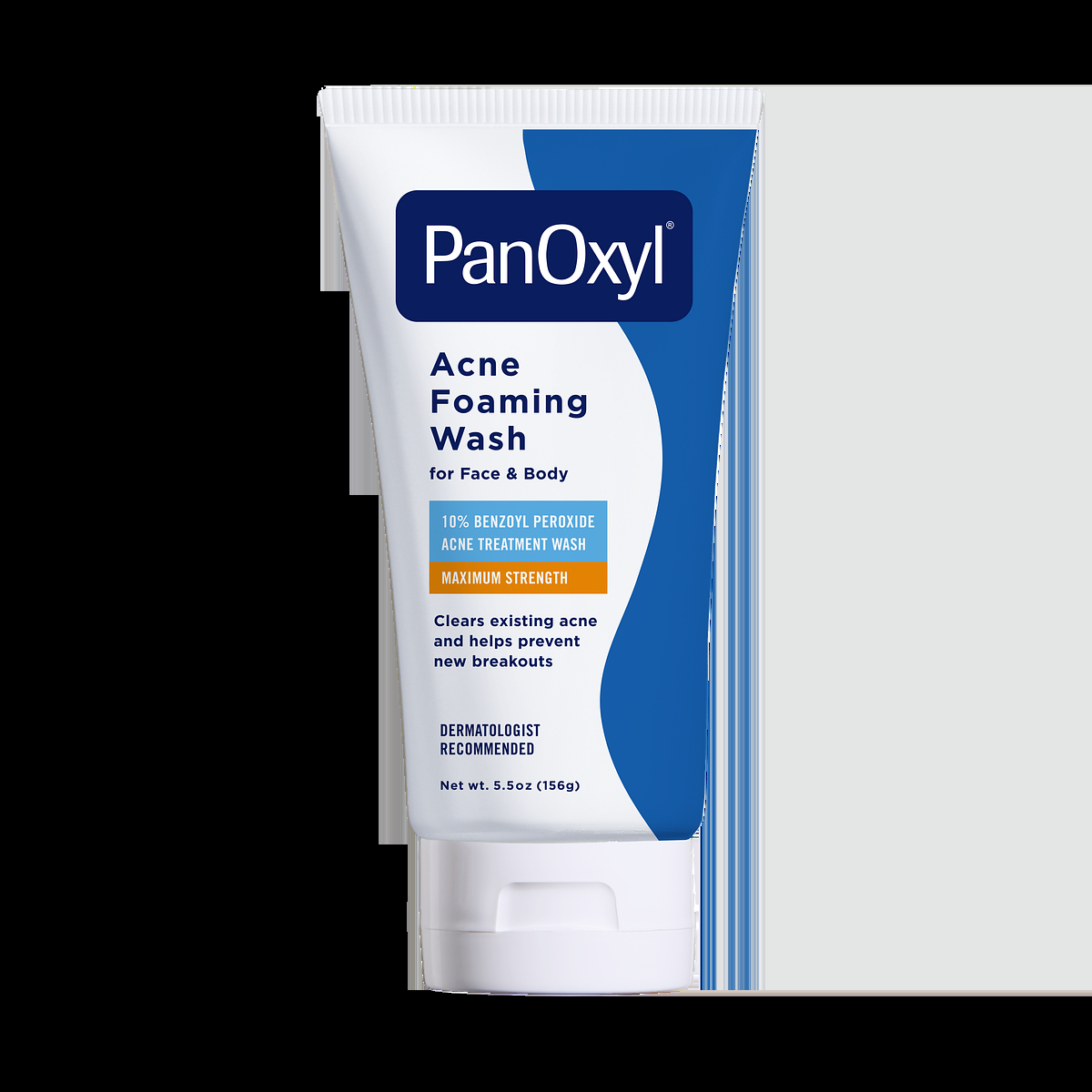
I pulled four US benzoyl peroxide cleansers a shopper would actually be holding. I read the Drug Facts and ingredient panels on each brand's own page and, where DailyMed has the SPL filed, on DailyMed too, on November 17, 2026. Then I ran the brand and the printed lot through the FDA recall notice, row by row. Here's what I got.
| Product | BPO strength | On FDA 2025 recall list | Storage line on brand page |
|---|---|---|---|
| PanOxyl Acne Foaming Wash | 10% (Drug Facts, Crown Laboratories) | No | No printed line |
| PanOxyl Acne Creamy Wash | 4% (Drug Facts, Crown Laboratories) | No | No printed line |
| CeraVe Acne Foaming Cream Wash | 4% (brand page) | No | Store at room temperature |
| La Roche Posay Effaclar Duo Dual Action | 5.5% (FDA notice) | Yes, lot MYX46W | n/a (recalled tube) |
Three of the four are not on the recall list. Only one of the four prints anything about temperature on its public page copy, and even that line is the generic "store at room temperature," which is less specific than the AAD's 78 degrees F threshold. None of the four prints a shelf life after opening. That gap, between what the dermatology academy is now recommending and what the carton tells a shopper, is the real story of the panic.
A note on the Effaclar Duo row. The recall is for one specific lot with the expiration April 2025. L'Oreal pulled it at retail. Today's tubes from the same brand sitting on shelves are a different production run and not on the FDA list. If you own a tube, check the box for the lot code; if it is not MYX46W, the FDA has not asked for action on it.
What does the AAD actually say about storage?
On March 24, 2025, the American Academy of Dermatology published its position. It is less exciting than the videos and more specific than the brand pages. Store your benzoyl peroxide at room temperature or cooler. Do not let it sit above 78 degrees F; if it has been, discard it. Replace the product every 10 to 12 weeks. And if any of this worries you, your dermatologist can swap in a topical retinoid, salicylic acid or azelaic acid instead.
Christopher Bunick, the Yale dermatologist whose group ran the 2024 testing, goes further for his own patients. He asks them to store the tube in the refrigerator. In his lab's work, cold storage slowed or eliminated benzene formation, even in encapsulated prescription creams held at warm temperatures. The 2025 Barbieri follow up, published in the same journal, argued that room temperature storage is unlikely to produce clinically meaningful benzene; both camps agree the cooler the tube, the better.
Translate that to how a person actually lives. The glove box of a car in July isn't storage. A tote bag in direct sun isn't storage. A bathroom windowsill that gets afternoon light isn't storage either.
The back of the medicine cabinet is fine.
The vegetable drawer is better.
The tube that came back from a beach trip rolling around in a hot car for a week is the one to toss on the AAD's rule, even if nothing visible has changed. I keep my own tube on the shelf of the fridge where the eggs live, out of the door's warmer compartments, and I've started dating the box with a Sharpie so I can see when the 12 week window is up.
What should you do with the tube you already own?
Open the box.
Find the lot number and the expiration date printed on the crimp or the carton. If both match a row in the recall table above, stop using it. If the brand matches a row but the lot doesn't, FDA didn't pull your tube, and you can keep using it. If the tube ever sat somewhere hot, the AAD says discard it and replace it. If none of that applies, write the date you opened it on the carton and plan to replace it around 10 to 12 weeks later, which is the AAD's new shelf life.
Benzoyl peroxide is still the most effective over the counter acne active a dermatologist can point you to. The 2024 AAD acne guidelines kept it as first line therapy for mild to moderate acne. The benzene conversation did not change the guideline; it changed how to handle the tube.
What this does not mean
It does not mean benzoyl peroxide is unsafe. FDA said the cancer risk from the benzene it found is very low, even over decades of daily use. It does not mean every tube on your shelf is fine either; the lot you own might be on the list if it is from the exact production run FDA pulled. And it does not settle the chemistry debate. The 2024 room temperature findings and the 2025 follow up disagree on how much benzene forms in a normal cabinet, and the next round of published testing will keep that open.
What it does mean is that the honest answer to "is there benzene in my benzoyl peroxide" is a number from FDA's own lab, not from a 60 second video. Ninety percent plus of the US acne aisle came back undetectable or very low. Seven tubes came off shelves. Everyone agrees heat is the enemy. The AAD put 78 degrees F in writing.
Refrigeration is "a very simple method to minimize the decomposition of the benzoyl peroxide," Christopher Bunick, MD, PhD, told Dermatology Times in 2025. For his patients who keep using benzoyl peroxide, he says, the fridge is where the tube belongs.
That is where this piece ends. The research changed. The storage rule changed. The carton on your shelf has not yet caught up. Photograph the tube in Skinventry and the app shows what is in it, who makes it, who owns the brand, and whether that product is on an FDA recall notice, each with a source. It is the same work we did by hand on four tubes above, for every tube in your bathroom.
Related on Skinventry: the full teardown of PanOxyl, including the brand's path through the benzene story; what FDA still lists for La Roche Posay; and the PFAS in makeup label reading piece, which is the same exercise for a different contaminant.
