Yes, nightly. Tri Luma, the only FDA approved cream that puts hydroquinone with tretinoin in one tube, is cleared only for short term use, with its own label ruling out maintenance therapy. A 2022 review of 126 ochronosis cases linked hydroquinone courses over 3 months to a bluish, sometimes permanent darkening. Run the pair daily, then stop and use the maintenance plan below.
You can Google can i use hydroquinone with tretinoin everyday and find a dozen dermatologist pages saying yes. The only prescription that puts both drugs in one tube says yes too, and adds the part the shorter answers skip. 8 weeks. Not forever. Not open ended. 8 weeks.
The FDA approved that combination, Tri Luma Cream, in 2002. Its current prescribing information on DailyMed tells you to apply a thin film to the melasma patch once daily, at least 30 minutes before bedtime. The pivotal trials ran for exactly 8 weeks of nightly use. A 2022 systematic review in the International Journal of Dermatology that pooled 126 patients with hydroquinone related exogenous ochronosis found the cases clustered at concentrations above 4% and treatment courses longer than 3 months. In a 2022 Cutis case letter, one patient developed the darkening after only 6 months of a daily over the counter 2% product. That's the number on the carton.
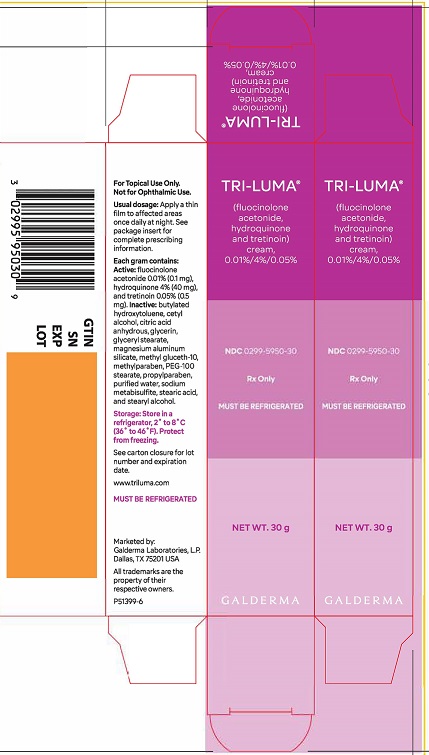
For this post we read the Tri Luma label line by line on DailyMed on November 15, 2026, pulled the FDA's own April 2022 safety communication, and checked what Obagi, the brand most associated with daily hydroquinone routines, actually sells on its consumer site now that the CARES Act has pulled over the counter hydroquinone off US shelves. The short answer is in the TL;DR. The five rules below are how we'd use the pair without buying trouble.
Rule 1: Treat the 8 week number as the dose
Tri Luma is the only cream the FDA has approved that contains both drugs. Its registration trials dosed once nightly for 8 weeks, and the label states the cream is not indicated for the maintenance treatment of melasma and should be discontinued when control is achieved. The Warnings section calls out exogenous ochronosis: a gradual blue black darkening of the skin, the occurrence of which should prompt discontinuation of therapy. That's the drug maker's language, on the drug maker's package. It's why prescribers who write hydroquinone with tretinoin describe the course in weeks, not open ended months. It's also the number the shorter Google answers leave out. If you plan to use the pair every night, plan the stop date before you start.
The ochronosis risk is small at prescription strengths used for prescription lengths. The 2022 review of 126 published cases noted most of the patients who developed the darkening had used hydroquinone above 4%, or had used lower strengths for far longer than 3 months, often years. The reason to respect the 8 week cap isn't that something bad happens on day 57. It's that the darkening, once it sets in, is slow to reverse and sometimes doesn't reverse at all. The upside (faded melasma) is temporary. The downside, when it happens, isn't.
Rule 2: Why doesn't the tretinoin need to stop too?
These two drugs are often described as a pair, but they behave differently over time. Tretinoin has decades of safety data at nightly, long term doses and is prescribed for years to treat acne and photoaging. Hydroquinone is prescribed as a treatment course with a stop date. At the end of 8 weeks you keep the tretinoin. You stop the hydroquinone.
What you do next depends on why you started. If the dark spots cleared, you hold the gain with daily broad spectrum sunscreen and the tretinoin, and often a non hydroquinone brightener; see Rule 4. If the melasma is still there, most dermatologists restart the hydroquinone after a 2 to 4 month pause and run another 8 week course. That rest period is the pulsed pattern the field moved to after a run of ochronosis case reports through the 2000s.
Rule 3: Is OTC hydroquinone even legal anymore?
Short answer: no. Since the September 23, 2020 CARES Act change, over the counter hydroquinone has been deemed misbranded in the US. Tri Luma is the only FDA approved hydroquinone product, period. Prescription hydroquinone from a compounding pharmacy is legal through a licensed prescriber, but the formula and the strength vary, and nobody has audited the duration data at those strengths the way the pivotal trials audited 4% for 8 weeks. The rule is the same at 2%, 4% or 6%. Treat the course, not the tube.
You can see what the law did by opening Obagi, the brand that built its franchise on 4% hydroquinone paired with tretinoin. Obagi's consumer facing Nu Derm Fx Clear Fx Serum, the one you can add to a cart without a prescription, lists 7% alpha arbutin and niacinamide. There isn't a drop of hydroquinone in it. The hydroquinone version of Nu Derm Clear still exists under the Obagi Medical line, but only through an authorized medical office. Practical Dermatology's reporting on access after the rule walks through how prescribers now rely on 503B compounding pharmacies to get it to patients.
Rule 4: What's the SPF doing in a dark spot post?
Half the work. Hydroquinone slows the enzyme the skin uses to make melanin. Tretinoin speeds up how fast the skin sheds the pigmented cells it already has. UV light drives the enzyme in the opposite direction, fast. The American Academy of Dermatology's patient page on melasma puts broad spectrum sunscreen first, every morning, rain or shine, over the whole area the hydroquinone is treating. A daily SPF 30 is the floor; tinted mineral SPF with iron oxides pulls further ahead on melasma because visible light drives melasma too. Skip the sunscreen and the 8 week course is mostly a wash.
After the course, sunscreen is what keeps the gain. We cover the daily mineral options for melasma and dark spots in our read of five low white cast formulas, and the non hydroquinone brightener most prescribers cycle in after an 8 week Tri Luma course is tranexamic acid; our piece on how tranexamic acid got into dark spot serums walks through the clinical data. Our vitamin C derivatives guide covers the pigment pathway from the other end, and we walked the freckles and dark spots serum read to show how the brands stack these actives on the shelf.
Rule 5: The one rule that breaks all the others
The 8 week cap is a ceiling on continuous hydroquinone. It isn't a ceiling on dark spot treatment. The maintenance phase is the long one. The active phase is the short one. The whole point of the 8 weeks is that you can run the course a few times across a year with rest in between. Prescribers call this the pulsed approach: 8 weeks on Tri Luma, 2 to 4 months off with tretinoin plus sunscreen plus a non hydroquinone brightener, then another 8 weeks if melasma is still active, and so on. Most melasma patients who respond will respond inside the first course. Those who don't usually need a different plan, which is a conversation with the prescriber, not another refill.
The mistake we want this post to catch is the one Google shows is quietly common: a shopper found a compounded hydroquinone with tretinoin online, got no clear end date with it, and is still using it a year later. The darkening the drug's supposed to fix can quietly become the drug's own fault. The 2022 review describes most of the treatments for exogenous ochronosis as unsatisfactory. An 8 week timer is the cheapest insurance against that outcome.
We pulled every US approval the FDA lists for a topical hydroquinone product on November 15, 2026, and we counted exactly one: Tri Luma. Everything else is either compounded, imported, or being sold against the current rule.
One number per bottle: 8 weeks.
Everything after that number is a plan: the morning sunscreen, the nightly tretinoin, the pause, the non hydroquinone brightener in the gap, and the honest check in with the prescriber if the melasma hasn't budged.
If you skipped to the end
Nightly, for 8 weeks. Stop. Hold with tretinoin and daily sunscreen. Repeat if needed after a few months, under a prescriber. The receipt is on the carton. Point a Skinventry scan at the tube and the app shows you the three actives, the strength of each, the maker, the owner and the public record for the product, every line linked to its source. The 8 week number lives on the carton, not in the ad copy, and that's where this post lives too.
Our earlier post on timing answers the related question (how long to wait between the two creams when they're applied separately), and the cysteamine piece covers one of the hydroquinone free alternatives for melasma that some prescribers now cycle in between Tri Luma courses.
