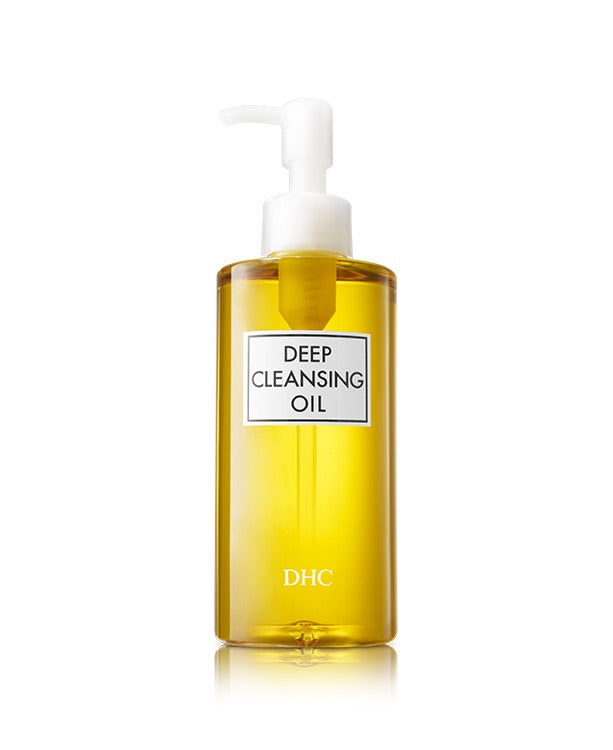
Sebaceous filaments are ducts filled with sebum, not clogged pores. Oil cleansers cannot remove them, but the right base oil softens the plug so filaments look flatter for a day or two. Three worth a look, judged on their published ingredient lists: DHC Deep Cleansing Oil, The Ordinary Squalane Cleanser, and Skin1004 Madagascar Centella Light Cleansing Oil.
Sebaceous filaments are the tiny gray dots that look painted on under bathroom light. This post covers what they are, what an oil cleanser can and cannot do about them, and three oil cleansers worth a look, compared on what their labels and brands publish.
Sebaceous filaments are not blackheads
A 2018 analysis in Scientific Reports puts the density of sebaceous glands on the human face at 400 to 900 per square centimeter, and the nose sits at the high end of that range. That is anatomy. What you see when you tilt your camera toward daylight is not a clog. It is a filled duct doing its job.
The confusion matters because it changes what an oil cleanser can do. A blackhead is oxidized sebum trapped behind a plug of dead skin cells. Extract one and it comes out. A sebaceous filament is a hollow duct filled with sebum that your face refills on a schedule. Empty it tonight and it fills again by Thursday. Aesthetician Cassandra Bankson has been on record about this for a decade. Filaments are anatomy. You are not going to scrub anatomy off your nose.
If you've wondered why your nose pores look bigger with age or after a hormonal shift, the ducts themselves widen as sebum output rises. A separate piece I wrote on what actually changes pore size gets into that mechanism.
So what does an oil cleanser actually do?
It softens the plug. Nothing else.
Squalane, jojoba, and safflower are chemically close enough to your own sebum that a two minute massage loosens the top layer of a filament. The dot flattens for a day, sometimes two. Then it refills. If your goal is "no dots forever," you were sold a myth. If your goal is "my nose looks calmer under morning light," you can get there.
That is the whole game.
For the mechanism side of why squalane behaves this way, my write up on squalene versus squalane covers the chemistry your skin can and cannot recognize as its own.
Three oil cleansers worth a look
The picks are not the priciest and not the cult favorites. They are three formulas built for the two things this job needs: an oil phase to loosen sebum and an emulsifier so the oil turns milky with water and rinses off.
| Cleanser | Base oil | Price USD | Best for | Label note |
|---|---|---|---|---|
| DHC Deep Cleansing Oil | Olive | $31.50 / 6.7 fl oz | Combination skin, evening wear | Lists rosemary leaf oil, which DHC uses for its aroma, though it calls the formula fragrance free. |
| The Ordinary Squalane Cleanser | Squalane | $10.50 / 1.7 fl oz | Sensitive noses, budget shelves | A balm that warms to an oil and rinses with water. No fragrance on the list. Lowest price per bottle. |
| Skin1004 Madagascar Centella Light Cleansing Oil | Esters, with sunflower, olive, and jojoba oils | $22 / 6.75 fl oz | Anyone fine with essential oils | Lists bergamot, geranium, and rose oils plus limonene and linalool, so skip it if fragrance is a trigger. Centella extract is a bonus, not the point. |
All three pair an oil phase with an emulsifier, which is what lets them turn milky and rinse without leaving a film. A cleanser that skips the emulsifier behaves more like a face oil you then try to wash off with plain water.
The fragrance question is a whole other rabbit hole, and worth reading before you spend on a balm whose label lists it.
Why does the emulsification step matter?
The reason most oil cleansers "do nothing" for filaments is that people rinse before they emulsify. An oil cleanser goes on dry skin, gets massaged for two minutes, and then meets water. That is when it turns milky. That milky phase is what carries the loosened sebum off your nose. Skip it, and you basically applied a face oil and washed it off with tap water.
Wet your fingers with a spoon of water and keep massaging until the oil turns white. Then rinse. Then follow with a low pH water based cleanser. That is the second step in a double cleanse, and it is the step that actually clears whatever the oil dislodged.
If you want the compatibility side of that pairing, our read on cleansing milks with malic acid walks through what water based cleansers can and cannot do at low pH without stripping your barrier.
What can no oil cleanser do?
Here is the caveat I want you to leave with. No oil cleanser is going to make sebaceous filaments disappear. Not one. If a product page says it will, that page is either misusing the word or hoping you can't tell the difference between a filament and a blackhead. The FDA is clear that cosmetics cannot claim to alter skin structure. That includes emptying ducts your face will refill by the weekend.
What oil cleansers can do is buy you a nose that looks less textured for a day or two per wash. That is a real win if you like how your face looks after a shower. It is not a cure. Don't spend $80 hunting for one.
The non comedogenic label is not a filament shortcut either. Neither is a K beauty balm with 40 botanicals. The three picks here are among the plainer formulas on the shelf.
What this comparison can't tell you
This is a comparison of labels, not a trial. Photograph a cleanser's label and Skinventry shows its published ingredient list, checks its claims against that list, and names who makes it, each fact linked to its source.
What no label can tell you is whether the same three would work on a 45 year old's nose where sebum output drops and filaments look different, or on a nose that has been on tretinoin for a year, or on the skin of somebody who lives in a much drier climate and needs a fatter base oil to keep the friction of a two minute massage from stinging by the end of the week. The mechanism should hold. The result probably shifts. If you have compared these on your own shelf, write in.
Sebaceous filaments are anatomy, not defects. That is the position aesthetician Cassandra Bankson has held on her blog for over a decade, and it is where this post lands too. Manage the shine. Don't chase the ducts.
Frequently Asked Questions
What is the best oil cleanser for sebaceous filaments?
The three picks in this post are DHC Deep Cleansing Oil, The Ordinary Squalane Cleanser, and Skin1004 Madagascar Centella Light Cleansing Oil. All three pair an oil phase with an emulsifier, so they turn milky with water and rinse off. Check the table above if essential oils are a trigger for you.
Can an oil cleanser get rid of sebaceous filaments for good?
No. Sebaceous filaments are hollow ducts your face refills on a schedule, not a clog you can extract. An oil cleanser softens the plug so a filament looks flatter for a day or two, then it fills back in. The FDA is clear that cosmetics cannot claim to alter skin structure.
What ingredients should a sebaceous filaments cleanser have?
Look for squalane, jojoba, safflower, or sunflower oil listed first on the ingredient panel. Mineral oil and heavy esters tend to sit on top of sebum instead of softening it.
How do I use an oil cleanser correctly on sebaceous filaments?
Apply it to dry skin and massage for two minutes before adding any water. Then wet your fingers and keep massaging until the oil turns milky, that emulsified phase is what actually carries the loosened sebum off your nose. Rinse, then follow with a low pH water based cleanser as the second step of a double cleanse.
What is the best face wash for sebaceous filaments?
A face wash alone will not do this job. It rinses off in seconds and never sits on the plug long enough to soften it. The three oil cleansers in this post, DHC Deep Cleansing Oil, The Ordinary Squalane Cleanser, and Skin1004 Madagascar Centella Light Cleansing Oil, are oil cleansers, not face washes, and they work as the first step of a double cleanse. Follow with a low pH water based face wash as the second step. Swapping the order, or skipping the oil step, is why a face wash alone leaves the plug untouched.
